marketing@innominds.com






Centralized servers were established as the be all and end all of computing up until the recent decade when things started to change drastically.
Cloud computing emerged as the most flexible model of networking and catered to a wide range of networking requirements. But when computing needs grew to the peripherals of the network with decreased availability of resources, computation was to be performed nearer to the edge devices, giving rise to new edge computing technologies.
Edge devices are described as those devices that are at the edge of a network, either close to the end user or just simply at the peripherals of an entire network in an unmanned state. Such devices have limitations in performing as best as the devices placed closer to the central servers due to the lack of availability of adequate network bandwidth, storage and other supporting infrastructure.
The IoT edge computing devices and their applications require high bandwidth, low latency and have high computation needs. They are difficult to accommodate on central cloud servers by providing a uniform availability of resources. Usually, these edge devices share the resources among multiple heavy users and content consumers which can result in a ‘noisy neighbour’ effect.
This is again a problem with large industrial IoT requirements with many thousands of distributed nodes. They may also be deploying devices far and wide in different locations in a way that they cannot depend on a single cloud server.
The advent of modern infrastructures such as smart cities, fast trains, AR/VR, etc., demanded fast connections for unlimited data consumption. Latency issues with edge devices can also affect retail data analytics and network services. Intermittent and unreliable infrastructure leads to destructive experiences for digitized consumer services such as these.
With rising content consumption from streaming services, other alternatives for computation were sought out that are able to support the modern consumption requirements.
Hence, there is a need for better computation capabilities nearer to these edge devices to overcome this challenge. Performing computation and processing information at high speeds on an edge network is difficult for more than a few reasons. The limitations of edge networking brought forth the concept of cloud edge computing or edge cloud, where the cloud capabilities are leveraged to facilitate computing at the edge.
Edge Device Limitations
For any cloud computing system, the data gets stored in the cloud or the local server. But the cost of cloud storage can be quite heavy for organizations when they consider the large amount of data generated by IoT devices. Besides, the data has to be stored in the cloud using the available bandwidth. Bandwidth limitations make storage the major bottleneck in trying to retrieve and store the data collected from time to time.
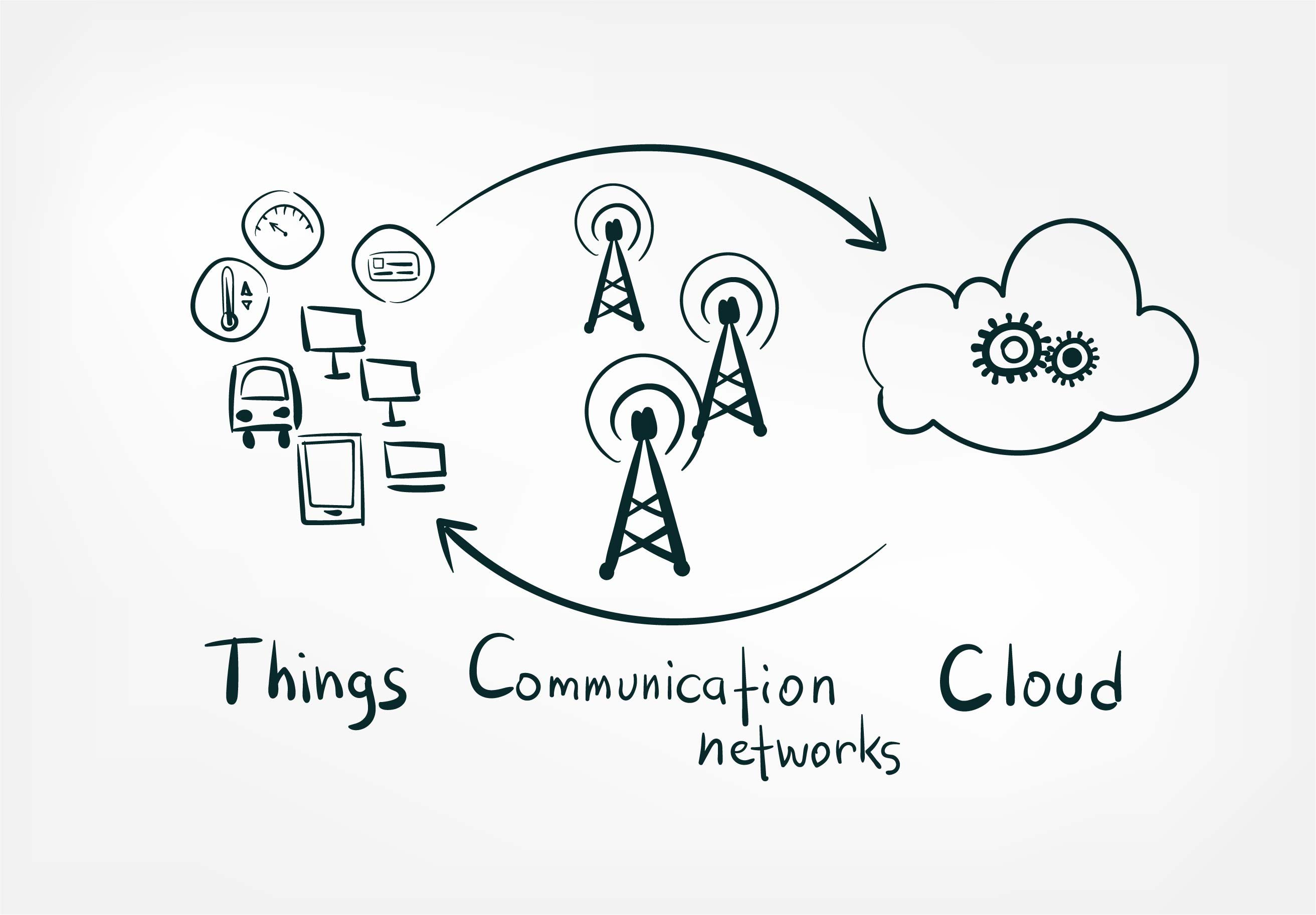 Processing data from the cloud means that the data exchange happens with way too long in response time since the cloud data centres are located too far away. The quantity of data is too large and requires a lot of storage and demands extra bandwidth that is usually unavailable. If there are numerous devices that are trying to reach the cloud storage at the same time, it can again cause a problem in limiting the bandwidth shared among these devices.
In this case, the data needs to be processed at the edge for shorter response time, more efficient processing and smaller network pressure.
Besides the problem of storage and bandwidth, edge devices create many more practical difficulties during implementation:
- Real-time data availability: The very purpose of edge devices is sometimes real-time data retrieval for the main systems. But with the enormously slowed down processing speeds and latency, this never happens.
- Data loss: Intermittent connectivity leads to loss of data during transmission rendering edge devices unreliable.
- Cost: Edge device setups in themselves cost a lot but without real-time data availability this cannot translate to adequate ROI or profits in the long term.
- Naming: The lack of standardized naming conventions for edge devices causes a lot of confusion. Different network and communication protocols may be required for different types of devices. So, learning all of them can be a struggle to learn for the edge practitioners. DNS and URIs are not sufficient for various edge networks as they may be for central systems. The naming mechanism that they choose must conform with the computing needs, the nature of mobility, dynamicity of network topology, privacy and security protocols, etc. Moreover, they need to consider scale of each communication across things.
- Connection scheduling: Scheduling tasks for each edge node can be challenging. The scheduling needs to be made in order that the data processing and information handling does not affect the device’s performance in the end.
- Maintenance: Maintenance is costly and time consuming for edge devices because they are mostly located at remote areas or non-serviceable regions. They may be fitted onto vehicles that traverse large areas of land.
- Privacy: Privacy is a major concern for edge devices as most of the devices deal with sensitive information such as health information from wearables or personal information from workers or even location information. This information is privy to hacking in a cloud environment. Data ownerships need to be established early on when consumer data is being manipulated for required device functions and its broad usage.
Edge Cloud Computing Capabilities and Solutions
When edge device computations are performed by combining the strengths of cloud technology and local storage and processing capacity of the devices through the use of gateways, it is known as cloud edge computing or edge cloud. Such a confluence of technology ends the conflict that existed with edge computing vs cloud computing.
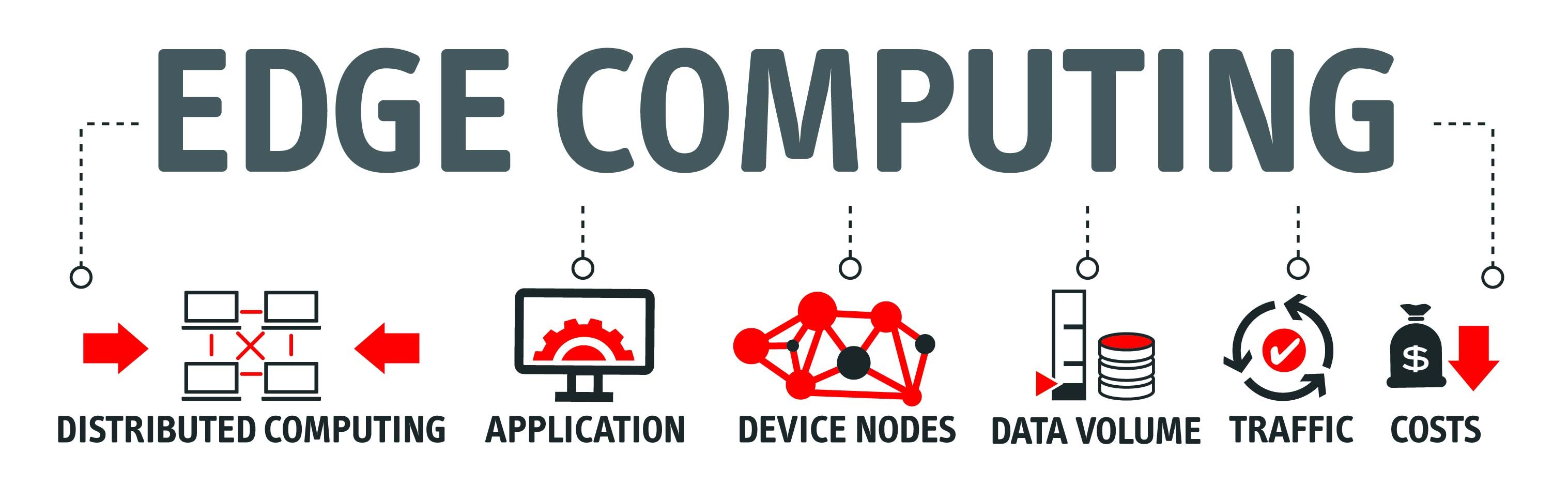
Edge computing architectures are becoming more and more capable of processing data on the edge through edge processing. The devices or their connected systems can utilize available storage and processing power to make computations and analytics.
However, this could mean huge losses in valuable data. That’s because all the data generated by an IoT device cannot be stored in the local storage and needs to be deleted from time to time. Since data is seen as the new fuel, this can be untapped potential.
Edge cloud can substitute as an additional resource in such a scenario to save valuable data. It arose as the new way to combine the cloud storage capacities with the data gathering potential of edge computing. Some data storage and a chunk of the processing could be accomplished in the cloud, while the most necessary processes are run at the edge. This mitigates the problem of unavailability of real-time data while also taking care of the broader data needs. Needless to say, the data thus collected on the cloud can be used for improved data analytics, data research and also drive innovation.
Edge connected applications are more responsive and robust. Network connectivity plays a huge role in accomplishing this through sliced networks and bandwidth management. The edge devices should be able to function isolated from the rest of the network. Such measures can also improve the edge device’s security and privacy.
Use Cases for Cloud Edge Computing
Edge computing use cases are expanding and it is being leveraged more and more as time goes. Yet, edge cloud has found its unique place in some business fields and has also become most notable in applicability in their edge locations. However, these are only a few examples in an expanding ecosystem.
Supply chain
The biggest challenges for the supply chain market have been the visibility of assets. As assets are transported across geographies, most of the time the asset managers lack visibility into their location.
Previously, supply chain businesses relied on man power (internal and external) as well other expensive methods to track and monitor assets from various locations. A dependable and continuous method of asset management was lacking. This led to loss of assets and damaged assets during transport, resulting in high losses to the businesses in supply chain.
Edge devices and edge cloud computing solve these problems by almost completely eliminating the need for any other external resources. Managing assets wherever they are is easy and cloud edge computing provided a means to receive information periodically from the devices, if and when needed. This system got rid of middle men and also served additional analytical insights for the business.
Autonomous Industries
IoT and connected devices have played an important role in helping autonomous industries like manufacturing or production companies to power plants or mining operations. By nature, those are located in the outskirts of cities, making most communication technologies unreachable.
Asset management and spending are regulated through the IoT edge devices and there is a huge investment into making cloud edge computing work in industrial sites. Edge computing is an indispensable element in all autonomous industries such as manufacturing.
Devices that scan the premises, track asset production pipelines, detect abnormalities and keep track of assets throughout the delivery process are employed in the sites. This extends to logistics and transportation of goods also from site to site and to other locations.
AR/VR

Edge computing has disrupted the AR/VR markets to bring a uniform and quality experience to all its users. When AR/VR gaming started climbing in the gaming market, two things stood out as deterring factors- the cost and the discomfort of using the devices. The headsets were very costly and upwards $400, and it was mostly due to the processing happening in the device itself. The other issue was created by the heaviness of the headsets as the storage and processing was embedded into the device.
Edge cloud was the solution, for which network services and device manufacturers needed to join hands in making the devices less heavy on bandwidth consumption and processing needs. Image rendering would be allocated to the cloud and the storage was sorted out likewise. This translated to halving the processing capacity of the device as well as making them less battery intensive. The network services needed to slice their bandwidths to allow a seamless experience.
As edge cloud is being more and more adopted into the industry, the adoption rates for AR/VR could go up significantly.
Smart Transportation
Intelligent transport systems use smart technology like traffic management, navigation, automatic number plate recognition, incident recognition, parking guidance and information systems etc. These are IoT systems that are hoisted at the network peripherals making use of edge technology and edge cloud computing.
Transportation becomes especially challenging for a centralized server to handle as the vehicles such as fast trains are constantly on the move. This results in intermittent network connections, unreliable data exchange and more. With edge computing, the local data can be stored and processed locally, discarding unimportant data. All important and required data are stored in the cloud. This allows for data analytics without disrupting the normal tasks of an edge device.
Healthcare
Perhaps the most popular usage of edge devices is in healthcare systems, wearable devices and mobile apps, etc. Managing healthcare from the home and exchanging valuable health data with health practitioners have changed the way data influenced the medical industry. Storing EHR information in patient held health monitoring devices and sharing them through the cloud benefits patients as doctors have insight into patient health history, treatments, and further medical research.
Furthermore, it lightens the burden on doctors and other health practitioners in handling patient data and information. The data is neatly stored in the cloud systems. There is also a demand for edge cloud devices in real-time data exchange for critically ill patients and information availability during emergencies.
Financial institutions and retail stores
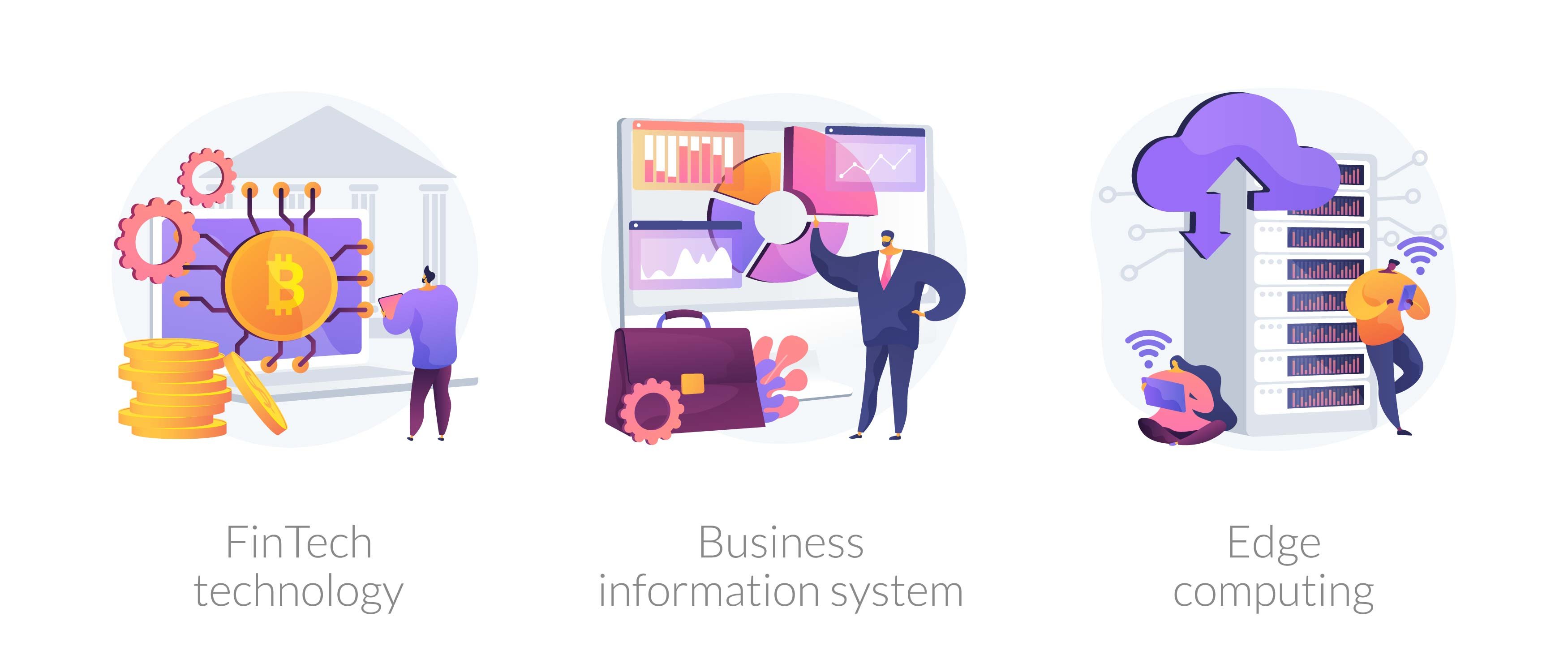
Mobile banking and easy money handling applications can rely on cloud edge to process important financial data. Such distributed systems can rely on cloud computing to make customers’ life easy.
Inside financial institutions, the edge devices could monitor and survey everything from people, surroundings, security measures, as well as all money transfers and transactions. The reliability and efficiency of edge computing for such important and critical needs have skyrocketed the demand for safe edge computing.
Retail stores are embracing competitive and digitally transformative technologies to keep them afloat in the digital age. Online shopping has bloomed and taken over much of the sales shares of the retail market. It is imperative that the stores provide a fresh experience to the users, whether for payments or for choosing the products they want, making the shopping experience easy and fulfilling.
Innominds’ cloud engineering services provide companies with a flexible and adaptive cloud computing experience. With years of experience in the IoT and connected devices field of services, we know the right tools to employ for your specific needs.
With numerous use case deliveries in edge cloud, across supply chain, medTech, retail, modern systems and more, Innominds does it all. Read the report by 451 Research where Innominds gets recognized as the leading innovators in smart assets for industries, whether greeenfield or brownfield.
Also, watch our Fireside chat webinar on how IoT, analytics, connected technologies, edge devices, AI and more are powering Pharma, Logistics and Supply Chain industries.